I am the author of this WordPress site. The rest of the content is based on my experience of my life, and the others are articles based on some topics I discussed in the Posts, and I hope you enjoy reading my site.
Hobbies
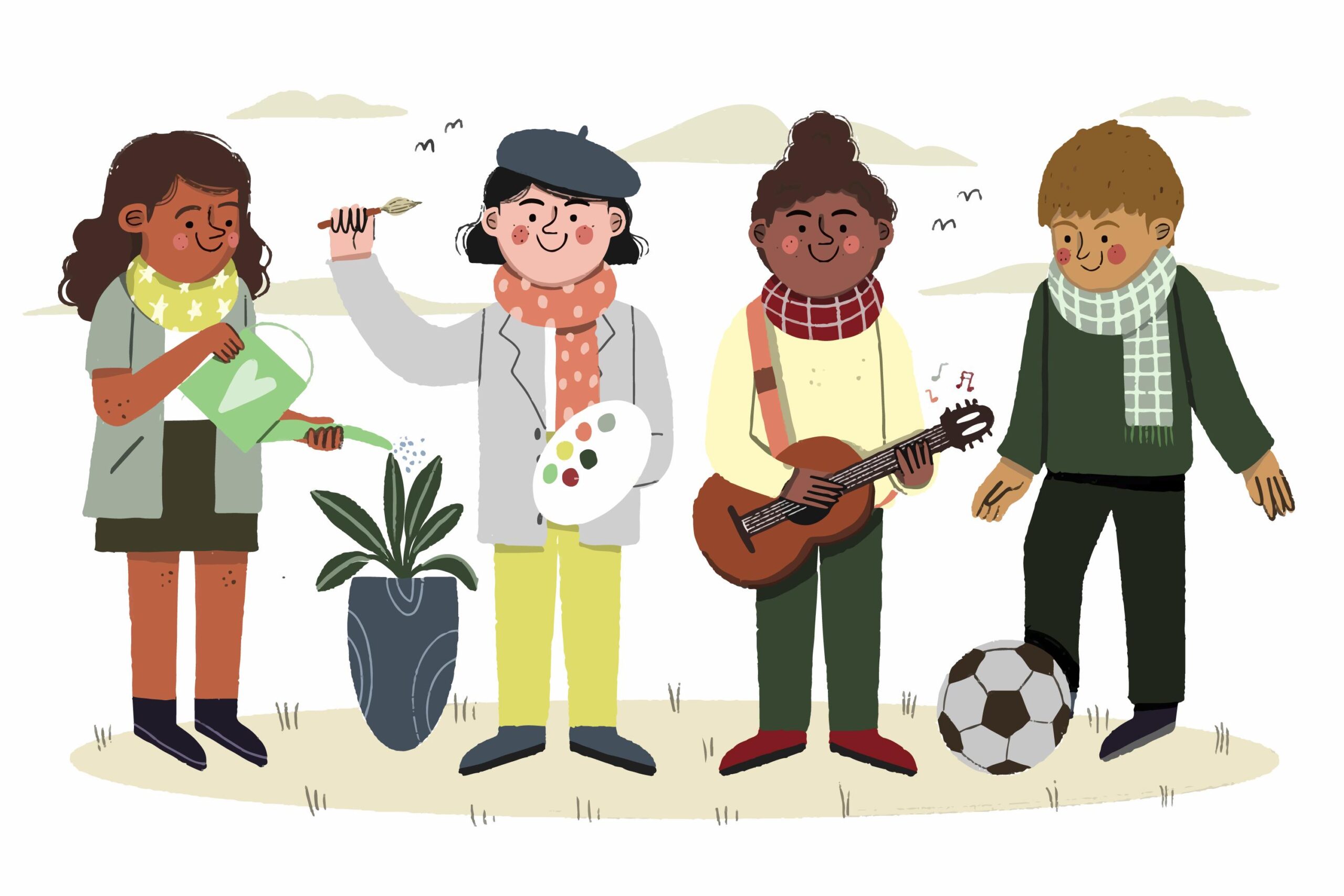
I use my critical thinking skills and problem-solving at school (& college) every day, while free at home, I do my personal hobbies, and I always enjoy all of them every day. There’s nothing wrong or embarrassing about hobbies you do in your daily life, because they are part of our normal lives outside school or work. Besides, each one of a hobby I personally does at home every day is listed below:
Art/Drawing (both digital and traditional)
Writing stories
Playing video games at regular hours
Enjoys watching random YouTube videos
It’s not a weird thing. It’s completely normal to enjoy your hobbies while having free time outside work or college. However, one of your hobbies could turn into your career sometimes. You could become an artist, author, or anything you want to become later in your future. While a hobby is something you do regularly in your daily personal life, what you want to choose for the rest of your life is a path you will be sticking with forever, as you will promise.
School Subjects
Next are school subjects.
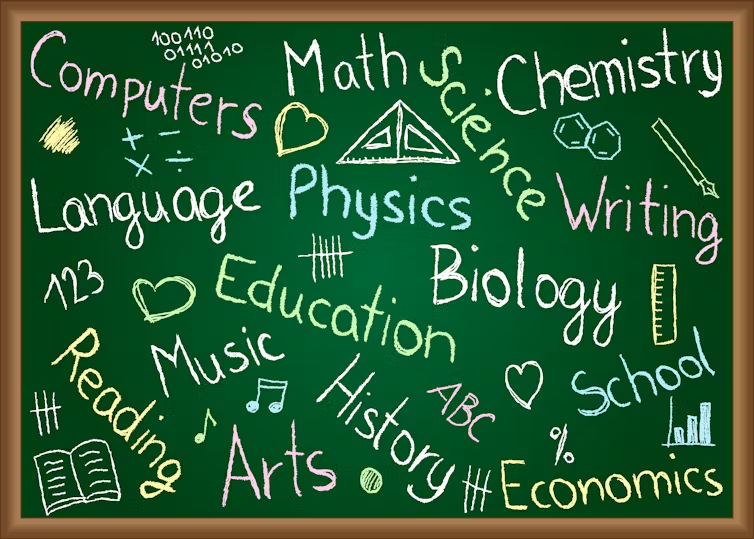
Similar to the previous post, where I was discussing hobbies, but this time it’s about subjects we already knew from education. Such an important matter about school is that we all have our own favorite subjects since we all went to school from kindergarten to high school, and it is normal for us to know which subjects are our favorite. Whether we are bad or good at it, we’re all here to learn and study every school subject.
Next up, subjects I like (and some of you like) are listed below:
Literacy
Arts
Biology and Anatomy
History and Social Studies
We moved from subject to subject every hour, whether it was mathematics, literacy, PE, or science, but we will eventually choose a subject that we are already good at. Not everyone likes subjects as others do, because we each have unique skills in subjects when we go to school. Same with college or university, but school isn’t just about education; it’s also about ensuring which subjects you are determined to adapt for your career before heading to college.
Childhood Memories
There aren’t many childhood memories in the back of my brain since I am older today, but there are a few childhood memories I can remember based on my childhood years. Memories listed below:
SeaWorld
Grand Canyon
Phoenix Zoo
OdySea Aquarium
This is all I can think of my childhood so far. One of them was actually the latest update, where we went to the Grand Canyon again earlier this year. It was a lot of fun visiting there, and it reminded me of a memory years ago. While they are all remnants of my long-forgotten childhood, there was one memory of the Bearizona several years ago, before 2025.
Next up: Landscapes
Landscapes
My favorite places
In this part, I’m discussing four places/landscapes I love to view. The world is full of other wonders I haven’t touched yet, but there are some places you might know since you’ve visited them before, or you might not know yet. Each image is listed below:
And that is the end of my presentation about life. In this world, you’re not the only one who has your life story. We also do, too. And our journey to become who we are destined to be is unique and much more meaningful to each other, as every life is pretty much different for each one of us.
Next comes the Articles.
Articles
Article #1
No Hobby? Don’t Stress!
There’s a chance you’ve probably gotten to this point, and you’re either feeling guilty or stressed, because you don’t have a hobby. Or you don’t really enjoy one very much. Don’t worry! Turns out, that’s also good for you, as it provides an opportunity to try something new, and another habit was also tied to increased happiness.
One word on the benefits of hobbies — don’t force your hobbies. Tied to our attitudes to our experiences of hobbies, a review of four similar studies claimed that half the magic of having a hobby is simply liking it, while the activities are “good” for you.
Despite all the positive aspects of hobbies, it’s important to remember that they don’t have to be beneficial to be worth your time. You do your thing because you simply enjoy it. In our lives, we consider that we have to be productive and pritoritize things like advancing in our careers or improving our skills often. Then we end up making our hobbies, which stresses us again. Sometimes it’s better to take a break from hobbies if feeling too stressed. If we have no hobbies, it’s time we try something new that we just want to do for fun. We need a little hobby we love, because why not?
Having no hobby can be good for us because it allows mental rest and freedom from pressure. Without hobbies, we could have more time to relax, reflect, or simply exist without needing to be productive or skilled at something. This can reduce stress, prevent burnout, and encourage mindfulness, especially for those who already feel overwhelmed by responsibilities. Not having a hobby can also leave space for spontaneity, self-discovery, and changing interests without commitment, reminding us that rest and doing “nothing” are just as valuable as active engagement. The fewer hobbies, the better.
Article #2
The Value of Changing the Subject
While working on projects, students develop a deep understanding by making something new of their subject matter. They learn how to collaborate, how to plan, how to give and accept critique, how to revise, and how to self-assess. They read complex texts and write a wide range of pieces for a variety of purposes, from personal reflections to projects like news articles or essays.
They interview the community members, learning to listen and appreciate diverse perspectives. As they present their work to their audiences, they come to understand what it means to be a member of the human community. And the irony is that when students pursue their passions and interests, the curriculum springs back to life.
Changing the subject means deriving the curriculum from the lived experience of the student. In view, the curriculum is more like a flow of events, accessible through tools that help students identify and extract rich academic content from the world, rather than a collection of fixed texts.
Changing the subject in school can be beneficial because it allows students to better align their studies with their interests, strengths, and goals. When a subject feels too difficult, uninteresting, or unsuitable, switching can reduce stress and improve motivation (as well as well-being). It also gives students the chance to explore new areas, discover hidden talents, and regain confidence in learning. Overall, changing the subject helps students make choices that support their academic success and personal well-being.
Article #3
Memories that persist
Some early memories are more likely than others to survive childhood amnesia, according to a professional at Memorial University of Newfoundland, named Carole Peterson. For instance, a memory carries that much emotion for a person who viewed their memory from childhood as meaningful, strong enough to remember.
Peterson showed that while studying children who were in a hospital emergency room when they were as young as 2 for injuries like a broken bone or a cut serious enough to require stitches. According to her, children have very good memories from their early childhood since these events struck them so emotionally, so hard.
Findings like that are persuading courts to allow more eyewitness testimony from children. In the past, courts thought children couldn’t tell the difference between fact and fantasy. But studies later have shown that they can, and how much they remember is pretty stunning. The key to using children as witnesses is to make sure they are questioned in a noncoercive way, as being careful not to put words in their mouths is crucial.
Children remember memories from their early childhood because such experiences are closely tied to strong emotions, learning, and development. During early childhood, the brain is rapidly growing and forming connections, making new experiences more impactful and easier to remember for children. Events like family matters, play, first achievements, or strong feelings are especially memorable as their memories of childhood are important to them. Repetition, storytelling, and reminders from others also help reinforce these memories, allowing them to stay vivid as children grow older.
Article #4
Artificial Intelligence in Modern Life
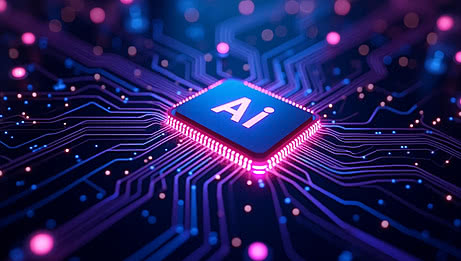
Artificial Intelligence (AI) refers to computer systems designed to perform tasks that normally require human intelligence. These tasks include learning, problem-solving, recognizing patterns, understanding language, and making decisions. AI has become an important part of modern life, influencing how people work, learn, communicate, and interact with technology.
How AI Works
AI works by using algorithms and large amounts of data to identify patterns and make predictions. Machine learning, a key part of AI, allows systems to improve their performance over time without being explicitly programmed for every task. Another branch, known as deep learning, uses neural networks inspired by the human brain to process complex information such as images, speech, and text.
Uses of AI
AI is used in many everyday applications. In education, AI helps personalize learning, recommend resources, and provide instant feedback. In healthcare, it assists doctors by analyzing medical images, predicting diseases, and managing patient data. AI is also widely used in entertainment, such as video game design, music recommendations, and movie streaming platforms.
In daily life, AI appears in virtual assistants, navigation apps, spam filters, and smart home devices. These tools save time, improve convenience, and help people make better decisions.
Benefits of AI
One of the main benefits of AI is efficiency. AI systems can process large amounts of information quickly and accurately, often faster than humans. This reduces workload and allows people to focus on creative or complex tasks. AI can also improve safety, such as detecting fraud, predicting equipment failures, or assisting in disaster response.
AI encourages innovation by opening new possibilities in science, technology, and art. It helps solve problems that were once considered too difficult or time-consuming.
Challenges and Concerns
Despite its advantages, AI also raises concerns. Issues such as data privacy, bias in algorithms, job displacement, and ethical decision-making are widely discussed. Because AI systems learn from data created by humans, they can sometimes reflect existing inequalities or make unfair decisions.
There is also concern about over-reliance on AI. While AI is a powerful tool, it is not perfect and still requires human oversight, responsibility, and critical thinking.
The Future of AI
The future of AI is likely to involve closer collaboration between humans and intelligent systems. AI will continue to evolve, becoming more accurate, adaptive, and integrated into daily life. Education and responsible development will be key to ensuring AI is used in ways that benefit society as a whole.
Conclusion
Artificial Intelligence is transforming the world by changing how tasks are performed and how information is processed. When used responsibly, AI has the potential to improve quality of life, support innovation, and help solve complex global challenges.
Summary
Artificial Intelligence is technology that enables machines to perform tasks that require human-like intelligence. It is used in areas such as education, healthcare, entertainment, and everyday tools. AI offers benefits like efficiency, accuracy, and innovation, but it also presents challenges related to ethics, privacy, and fairness. Overall, AI is a powerful tool that, when used responsibly, can greatly benefit society.